
Water Damage Restoration
Extraction, structural drying and moisture monitoring across Wide Bay and Fraser Coast.
What You Need to know
Water extraction, structural drying and moisture monitoring
Mr Remediation helps homeowners, businesses and property managers respond to water damage across Wide Bay and Fraser Coast, including Bundaberg, Maryborough and Hervey Bay.
Whether the loss involves a burst pipe, roof leak, stormwater ingress or flooding, we assess the affected areas and explain the extraction, cleaning and drying work required. The approach depends on the water source, contamination, materials and extent of damage.
For urgent water damage, call 1300 452 289 to discuss attendance. For an assessment or existing water damage, send an enquiry with your suburb, a brief description and any photographs.
Why surface drying may not be enough
Water can spread beyond the visible wet patch and remain within flooring, cabinetry, wall linings or concealed spaces. A dry-looking surface does not establish that the material beneath it has reached the drying goal.
Our onsite technician assesses accessible affected areas and uses appropriate measurements to guide the work. Any limitations or need for further investigation are explained.

Water Intrusion

Hidden Damage
Category 1: Clean Water
Water from a sanitary source that does not initially pose a substantial risk from exposure. Examples can include a broken water supply line or an appliance supply leak.
The category is assessed from the source and the conditions found onsite. Water may become contaminated after contacting materials or remaining in the building.
Even apparently clean water can damage cabinetry, flooring, wall linings and contents. The affected materials and moisture levels need assessment.
Category 2: Contaminated Water
Water containing significant contamination that may cause discomfort or illness on exposure. Examples can include washing machine or dishwasher discharge.
The source, contacted materials and onsite conditions inform the category and remediation scope. Cleaning, protective measures and removal of affected materials may be required before restorative drying.
The classification is an assessment outcome, rather than something that can be established from the colour of the water alone.
Category 3: Grossly Contaminated Water
Grossly contaminated water can contain harmful biological or chemical agents. Examples can include sewage backflow, seawater flooding or rising water from rivers and streams.
Specialist assessment, contamination controls, cleaning and removal of affected porous materials may be required. The work depends on the actual conditions and agreed scope.
Storm-related water ingress is not automatically Category 3. The source, materials contacted and contamination found must be assessed.
Our water restoration process
- Inspection and moisture assessment
- Make-safe coordination and water extraction
- Thermal imaging supported by moisture readings
- Structural drying and dehumidification
- Monitoring, adjustment and documentation
- Contamination assessment and remediation
1. Inspect and assess
Our onsite technician records the reported water source, affected areas, materials and observed damage. Moisture measurements and environmental readings help establish the scope and drying goals. Thermal imaging highlights temperature patterns that warrant investigation; moisture measurements and inspection findings help confirm whether those areas are wet. Concealed areas may require further investigation.
2. Make safe and extract water
Electrical, plumbing and other services must be assessed and made safe by the appropriate licensed trades before removal work starts. Where required and accessible, our team extracts standing water and identifies materials that may need removal within the agreed scope.
3. Address contamination
The water category informs the cleaning, containment, material removal and protective measures needed. Contaminated materials are addressed before restorative drying where required. Antimicrobial products may be used where appropriate as an adjunct to cleaning.
4. Dry and monitor
Air movers and dehumidifiers are selected for the affected materials and conditions. We monitor moisture and environmental conditions, adjust the equipment and compare progress with the project’s drying goals. Drying time varies with the materials, access, weather and extent of damage.
5. Document the outcome
Our reporting can include affected areas, photographs, recorded moisture readings, drying progress, equipment use and any recommended further work, according to the agreed scope. Final moisture checks assess progress against the drying goals; they do not certify every aspect of the property or guarantee a mould-free environment.
6. Identify further repairs
Drying does not repair the source of the leak or reinstate every damaged finish. Plumbing, electrical, roofing, waterproofing and building repairs may require separate trades. We explain the observed issues and restoration boundaries so those repairs can be arranged.
We Treat All Types of Properties
Homes & Apartments
Offices & Commercial Buildings
Schools & Daycares
Aged Care Facilities
Rental Properties
(with full reporting for landlords / agents)
Rental Properties
(with full reporting for
landlords / agents)
We Treat All Types of Properties
Homes & Apartments
Offices & Commercial Buildings
Schools & Daycares
Aged Care Facilities
Rental Properties
(with full reporting for landlords / agents)
Rental Properties
(with full reporting for
landlords / agents)
Project example
Multi level water damage response and drying
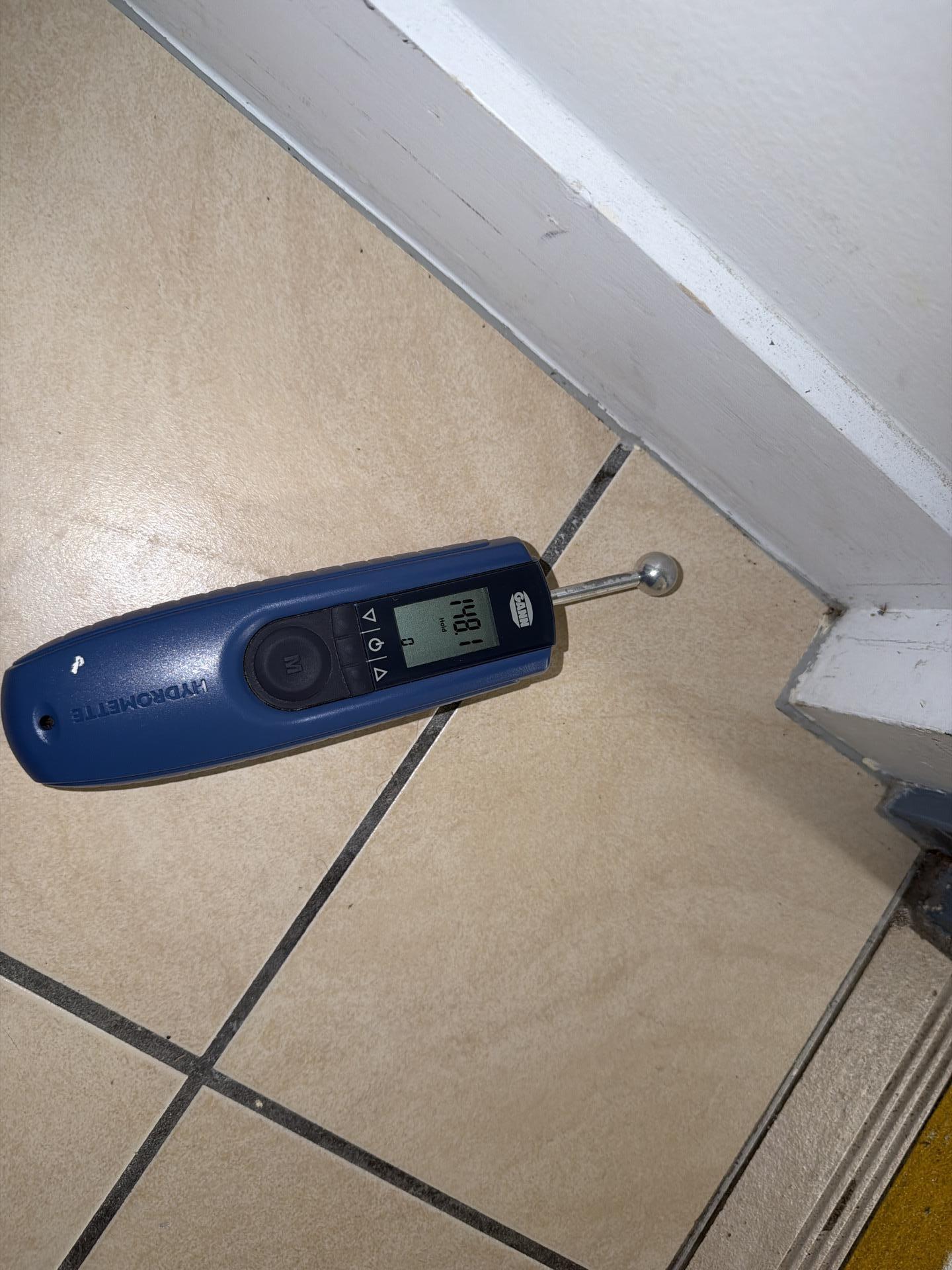
A failed pipe in an upper-level utility void allowed water to travel through several levels of an accommodation building and into lower-level rooms.
Mr Remediation assessed accessible affected areas, mapped moisture and completed emergency water extraction. Dehumidifiers, air movers and an air filtration device were installed where required, with return visits to check moisture and adjust the drying setup.
At the recorded follow-up, the accessible affected ground-floor areas returned dry-standard readings and the drying equipment was removed from those rooms.
Visible microbial growth in concealed utility voids required separate investigation and remediation planning. Drying results for the accessible ground-floor areas did not establish that the entire building or concealed cavities had been fully remediated.
This project shows how extraction, moisture monitoring and drying can be coordinated while keeping remaining remedial work clearly identified.
Water damage? Call our local team
- Servicing Wide Bay and Fraser Coast, including Bundaberg, Maryborough and Hervey Bay.
- Call 1300 452 289 or send an enquiry with your suburb and the affected areas.